
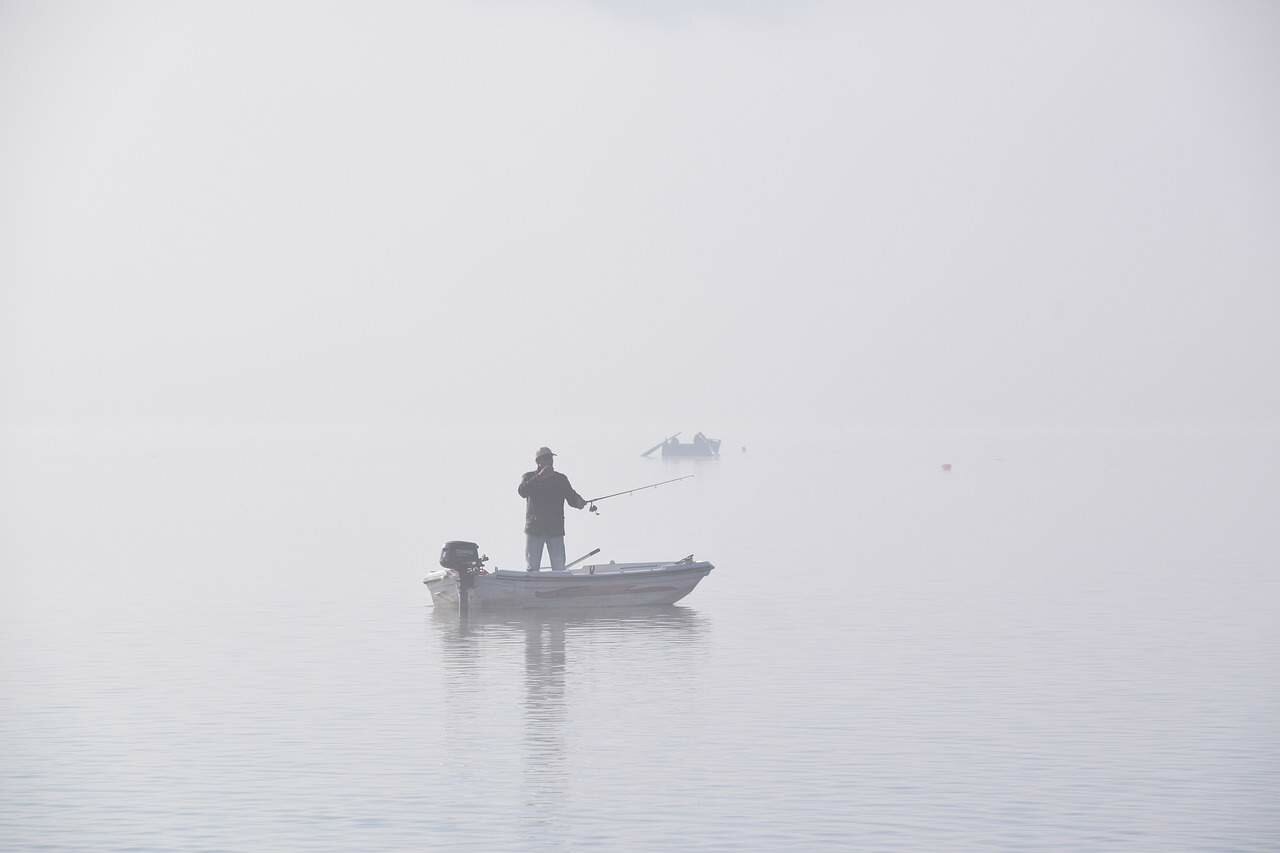
NORTHERN WISCONSIN – Last week stayed on the mild side, for sure.
We had warm temps right through the weekend, with Sunday reaching the low 60s. The clocks have fallen back, so the sun is setting earlier now. This week is supposed to bring us some of the rain we’ve been hoping for. A slow-moving front looked set to bring that Monday through Wednesday, with an inch or more possible in some spots. Once that front clears, it looks like it’s going to start to feel like November.
It’s fair to say now that our lakes have finished turnover. Most of our lakes are sitting with water temps in the mid- to upper 40s, and the cooler nights behind this front should push them down a little more. The bigger, deeper lakes are always the last to finish, so if you pull up and things still look dirty, it may be worth your time to move to a lake that has already cleared. The rain will help water levels some, but a lot of landings are still low, so take it slow coming in and out, and watch out as you’re moving around.
Walleye are getting into a true fall pattern now. Reports across the Northwoods have fish spread from six to 35 feet, so don’t get locked into one depth. Most of the bigger fish are on deep gravel and rock bars, and hard-to-soft bottom transitions in 20 feet and deeper – and that’s where you should be looking during the day, but we’re seeing plenty of fish move in shallow for an evening bite. Work the holes, the current areas and the sharper drop-offs. A jig and a big fathead or a walleye sucker worked slow along bottom is still the go-to. With overcast skies most of the week, don’t be surprised to find a decent daytime bite, but the last hour of light is still the best. Thankfully, that comes earlier now.
Northern pike are on the weed flats in six to 10 feet next to deep water and on the first break outside them. Spoons, spinnerbaits, swimbaits and smaller musky baits are all getting bit. A pike-sized sucker under a bobber on the weed edge is still the best way to find the bigger fish.
Panfish are a good option on calm days. Perch are on the sand and mud flats in 12 to 20 feet and will take a small jig with a fathead or a piece of crawler. Crappie are schooled up over the basin edges and around deep cribs and wood in 15 to 25 feet. Find them on your electronics, and fish a small jig and plastic or a crappie minnow just above them. Bluegill are on the deepest green weed edges in eight to 12 feet, and a small jig with a waxie is all you need. Watch for crappie and perch to slide a little deeper as the water cools.
Musky fishing has been getting good! Fish are showing up from five to 30-plus feet right now, so cover water. Quick-set rigs on deep weed edges, steep breaks and rock humps in 14 to 25 feet are where most of the sucker action has been. Soft swimbaits have been the best casting bait around the area lately, some days even out-fishing suckers. Now is the time for big rubber, glide baits and jerk baits, worked slowly. Fish are still doing a lot of following without eating, so have a figure-eight ready. A front sliding through mid-week with clouds and steady temperatures behind it is classic big-fish weather. Fish hard through Thursday and Friday, especially the last hour before dark. The biggest fish will always find the weakest spot in your equipment, so check your line, leader and connections before you start.
This is the stretch when the biggest walleye and musky of the year tend to be caught. After the rain moves out, mornings will be raw and wet. Dress in layers and bring good raingear. The water is getting cold, so wear your life jacket, and let someone know where you’ll be if you’re going out alone. And enjoy floating while you can, because soon you’ll be standing out there instead. The cold is coming!
Good luck and good fishin’!


Comments
No comments on this item Please log in to comment by clicking here