
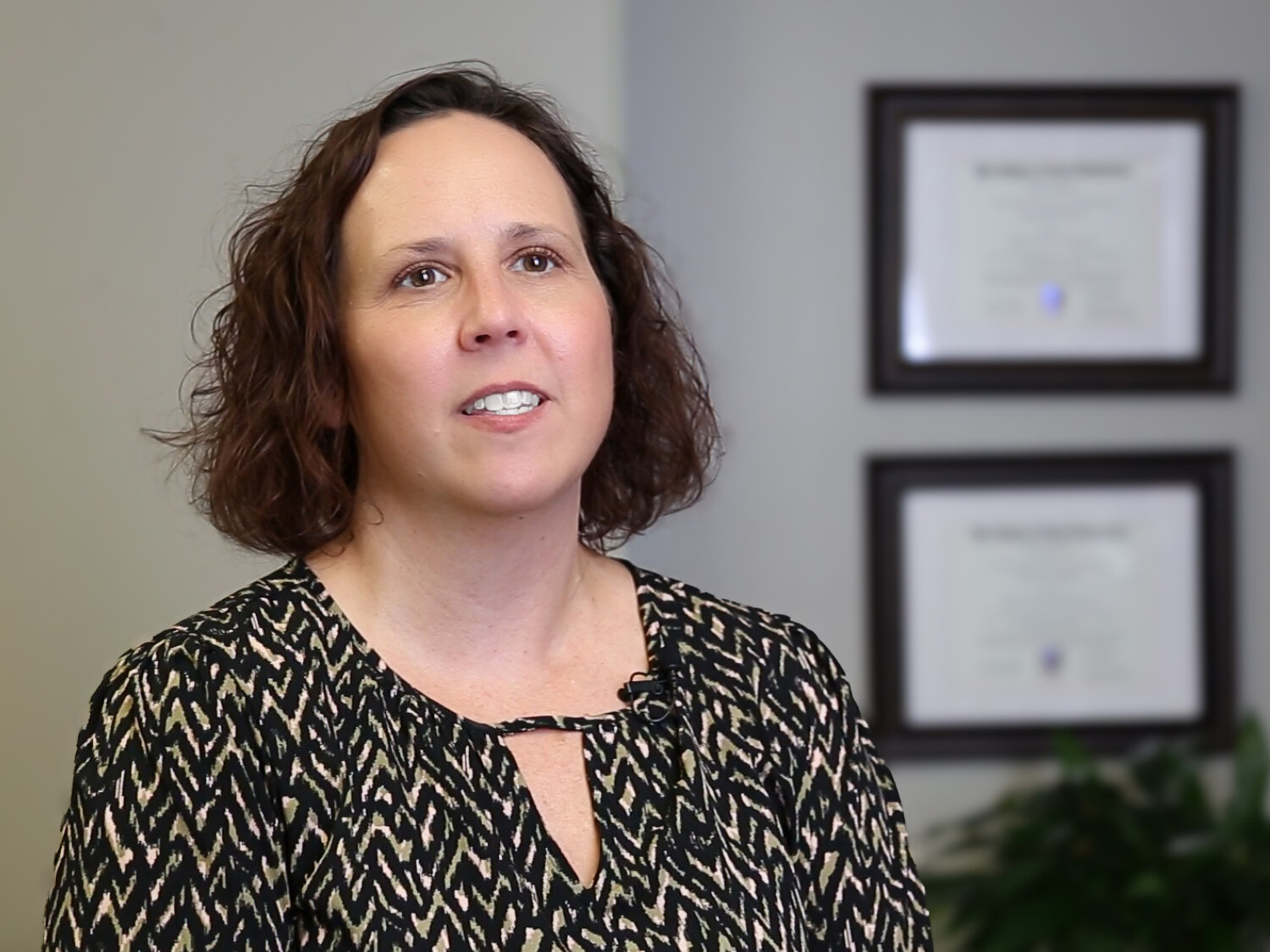
WISCONSIN – Aspirus Health recently shined a light on Blood Donor Month.
“Imagine walking into your local grocery store and smiling at a young mom with a newborn,” Aspirus said in a release. “You’d never know it’s her first time out since a life-threatening delivery. After hours of labor, she hemorrhaged, but a blood transfusion saved her life. She’ll never know whose blood she received, but it could have been yours.”
“About 65% of the population can donate, but only 3% do,” said Corey Bianchi-Rossi, Marketing Manager at Memorial Blood Centers.
Despite that, Aspirus noted, millions of patients nationwide rely on donated blood each year.
“Every two seconds, someone in the United States needs blood or platelets,” Aspirus stated. “This includes a wide range of people, from those involved in serious accidents, to cancer patients, to moms experiencing complications during childbirth.”
“Blood is not something we can just purchase,” said Jennifer Alaspa, Aspirus St. Luke’s Lab Director. “The only way that we can get it is through live human donations.”
Aspirus said that for many, donating may seem intimidating and time-consuming.
“However, the process is far more convenient than most expect,” Aspirus explained. “A typical appointment takes about an hour from start to finish, with the actual donation lasting just eight to ten minutes. Afterwards, donors enjoy a complimentary snack as a little treat to celebrate their contribution and replenish fluids. Plus, donated blood often stays in your region, directly helping friends, family and neighbors.”
“A single car accident survivor can need as many as 100 units of blood,” Bianchi-Rossi said. “By donating, you’re making sure the people you love have what they need if they ever face a situation like that.”
Across the Aspirus Health system, hundreds of blood units are collected each year, with each donation helping save up to three lives. However, Aspirus said, the demand is constant, as blood doesn’t have a very long shelf life. Red blood cells last only 42 days and platelets just five.
“That’s why every donation counts and why your contribution can have an extraordinary impact,” Aspirus said.
There are a lot of things you could do with an hour of your time, according to Aspirus.
“However, most of them will never come near the significance of giving blood,” Aspirus stated.
“It’s a life-saving therapy for patients,” Alaspa said. “And it’s something we rely on every single day.”
To find a local blood center, call the Blood Center of Northcentral Wisconsin at 866-566-5900; or contact the Community Blood Center at800-280-4102 or www.communityblood.org.
For more information about giving blood, visit www.redcrossblood.org.


Comments
No comments on this item Please log in to comment by clicking here